

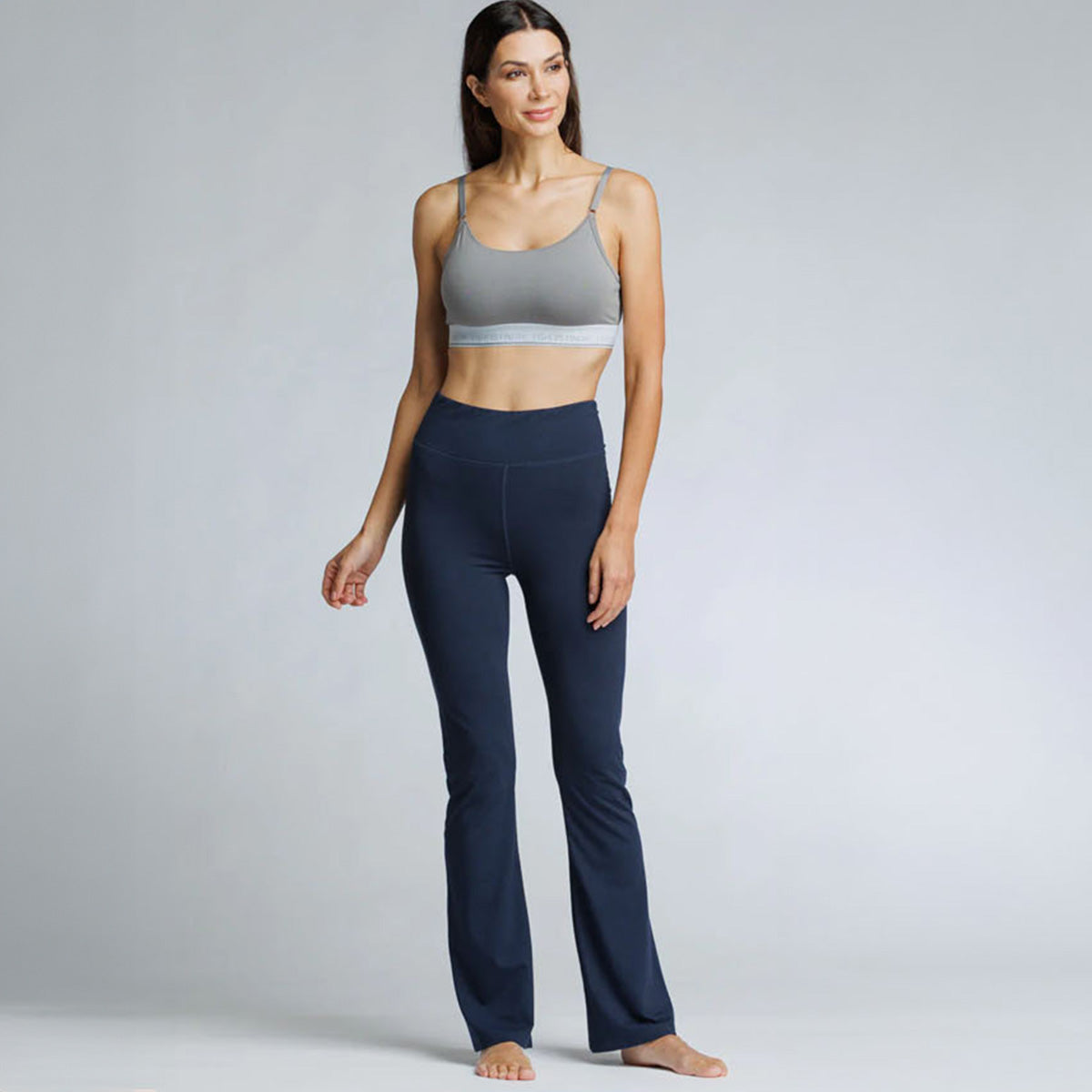

A sleep set can feel exquisitely soft in the store and still leave you kicking off the covers at 2 a.m. That is why the question, are bamboo pajamas breathable, deserves more than a simple yes or no. Breathability depends on the fiber, certainly, but also on the knit or weave, fabric weight, fit, and the conditions in your bedroom.
For many sleepers, bamboo viscose pajamas offer a noticeably airy, smooth feel that is especially welcome when nights run warm. They are not a magical fix for every hot sleeper, though. Understanding what the fabric does well makes it easier to choose pajamas that feel as considered as the rest of your sleep ritual.
Are bamboo pajamas breathable? Yes, with a few variables
Bamboo viscose is generally considered a breathable fabric. Its fibers can help move moisture away from the skin, while the finished fabric often has a fluid drape that does not feel stiff or restrictive. Instead of trapping warmth in the way a dense synthetic fabric can, a well-made bamboo viscose pajama set tends to allow heat and humidity to disperse more comfortably.
That sensation is part of its appeal. Bamboo viscose has a cool, silky hand feel, yet it is typically lighter and less slippery than traditional silk. For someone who wants pajamas that skim the body softly rather than cling, it can make the transition from an active day to a calmer evening feel more inviting.
Still, no fabric can outperform its construction. A very heavy bamboo knit, a close-fitting long-sleeve set, or pajamas layered under a heavy duvet may feel warmer than a lightweight cotton nightshirt. The fiber gives bamboo viscose a strong starting point, but the garment design determines much of the real-world experience.
What breathability feels like at bedtime
Breathable pajamas do not necessarily feel cold. They help your body settle into a more comfortable temperature by reducing the sensation of trapped heat and dampness. This distinction matters for people who wake up feeling warm but not drenched, as well as for sleepers whose temperature changes throughout the night.
Bamboo viscose is often valued for moisture management. When the skin feels humid, a fabric that draws moisture across its surface can feel drier and more comfortable than one that holds onto it. This may be particularly appealing during warm weather, for people who sleep under layered bedding, or for anyone navigating occasional night sweats.
The fabric's smooth surface adds another comfort benefit. Less friction can mean less bunching and less of that rough, overheated feeling that sometimes comes with stiff cotton or textured knits. For sensitive skin, the soft finish of quality bamboo viscose can be just as meaningful as its temperature-regulating character.
Breathable does not mean identical for every sleeper
Your body temperature, mattress, sheets, duvet fill, and bedroom humidity all influence whether pajamas feel cool. A person sleeping on crisp percale sheets with a light blanket will experience bamboo viscose differently from someone sleeping beneath a lofty comforter in a room that stays at 72 degrees.
Personal preference matters, too. Some people love the drape of bamboo viscose because it feels barely there. Others prefer the dry, familiar texture of cotton. If you tend to feel chilled toward morning, a long-sleeve bamboo pajama set may provide the gentle coverage you want without the bulk of a heavier fabric. If you routinely overheat, a short-sleeve top, relaxed shorts, or a sleeveless silhouette can make a greater difference than changing fibers alone.
Why fabric construction matters as much as fiber
When comparing bamboo pajamas, look beyond the word “bamboo” on the label. Bamboo viscose is a regenerated cellulose fiber, meaning bamboo is processed into a soft textile fiber. The finished garment may be pure bamboo viscose or blended with materials such as spandex, cotton, or polyester. Each choice changes the fabric's stretch, recovery, feel, and airflow.
A lightweight jersey knit is a popular choice for sleepwear because it is soft, flexible, and easy to move in. It can feel wonderfully breathable, especially in a relaxed fit. A denser knit can be more substantial and durable, but it may hold more warmth. Neither is inherently better. The right choice depends on whether you want featherlight summer sleepwear or a year-round layer with a little more presence.
Spandex is often added in a small amount to help pajamas keep their shape and move comfortably. That can be useful for fitted cuffs, leggings, and garments you also wear for lounging. However, a high percentage of synthetic fiber may change the airy, natural-feeling quality you expect from bamboo viscose. A transparent fabric description is worth seeking out when comfort is a priority.
Fit deserves equal attention. Close-fitting sleepwear can limit air circulation, even in a breathable material. A relaxed button-front top, a wide-leg pajama pant, or a slightly roomier sleep shirt leaves more space for air to move around the body. Details such as elastic waistbands, cuffs, pockets, and collar structure should feel polished without interrupting rest.
Bamboo viscose compared with other pajama fabrics
Every premium sleep fabric has a different strength. Bamboo viscose is often a beautiful middle ground for sleepers who want softness, drape, and an easy temperature feel.
Cotton is a classic for good reason. It is breathable, familiar, and available in many weights and finishes. Crisp cotton can feel especially fresh in warm weather, while cotton jersey offers a cozy, casual softness. Compared with bamboo viscose, cotton often feels more matte and structured, with less fluid drape.
Silk brings a uniquely smooth, luxurious feel and can help create a refined sleep environment. Its natural temperature-regulating qualities make it comfortable in many seasons, but it requires more thoughtful care and may not be the first choice for someone who wants easy, everyday loungewear. Bamboo viscose offers a similarly soft, elevated sensation with a more casual, relaxed character.
Polyester-based sleepwear can be durable and affordable, and performance fabrics may dry quickly. Yet some sleepers find that dense synthetics feel less comfortable when the room is warm or humid. If your main concern is sleeping hot, pay attention to the garment's weight and finish rather than relying on a performance claim alone.
Choosing bamboo pajamas for warmer nights
Start with the silhouette you will actually reach for after a long day. A short set or sleeveless sleep dress gives warm sleepers the most airflow. A classic long-sleeve top and pant set can still be an excellent choice when made in a lighter bamboo viscose jersey, particularly for air-conditioned rooms or year-round use.
Favor a relaxed cut over anything that feels compressive. The fabric should glide over your skin when you turn in bed, rather than twisting at the waist or pulling through the shoulders. If you are between sizes and prefer a more breathable feel, sizing for ease may be the better choice.
Color can play a small role outside the bedroom. Dark shades absorb more heat in direct sunlight, so a lighter color may feel preferable if you wear your pajamas for slow mornings on the patio or pack them for warm-weather travel. Indoors, fabric weight and bedding have far more influence than color.
Also consider the full sleep system. Lightweight, breathable pajamas pair beautifully with sheets that suit your temperature preferences. A warm sleeper may benefit from a lighter blanket and bedding that does not create a dense heat layer around the body. The goal is not to feel cold. It is to create an environment where you can rest without repeatedly adjusting the covers.
Caring for bamboo viscose pajamas
The soft hand feel of bamboo viscose deserves gentle care. Washing in cool water on a delicate cycle and using a mild detergent can help preserve the fabric's finish. Avoid harsh bleaching agents, which can weaken fibers and affect color.
Whenever possible, air dry or use low heat. High dryer temperatures can be hard on delicate regenerated fibers and elastic components. If the fabric wrinkles, a low-heat iron or gentle steam can restore its smooth appearance. Following the individual care label remains the best way to protect a favorite sleep set.
Thoughtful care also supports longevity. Pajamas that remain soft, retain their shape, and feel good night after night are more likely to become part of a lasting wardrobe rather than a short-lived convenience.
Bamboo pajamas can be a lovely choice when you want softness with an airy, easygoing feel. Choose a lightweight construction, give yourself room to move, and let the season and your own sleep habits guide the silhouette. The best pajamas are the ones you forget you are wearing, leaving more room for the comfort of truly restful sleep.
