

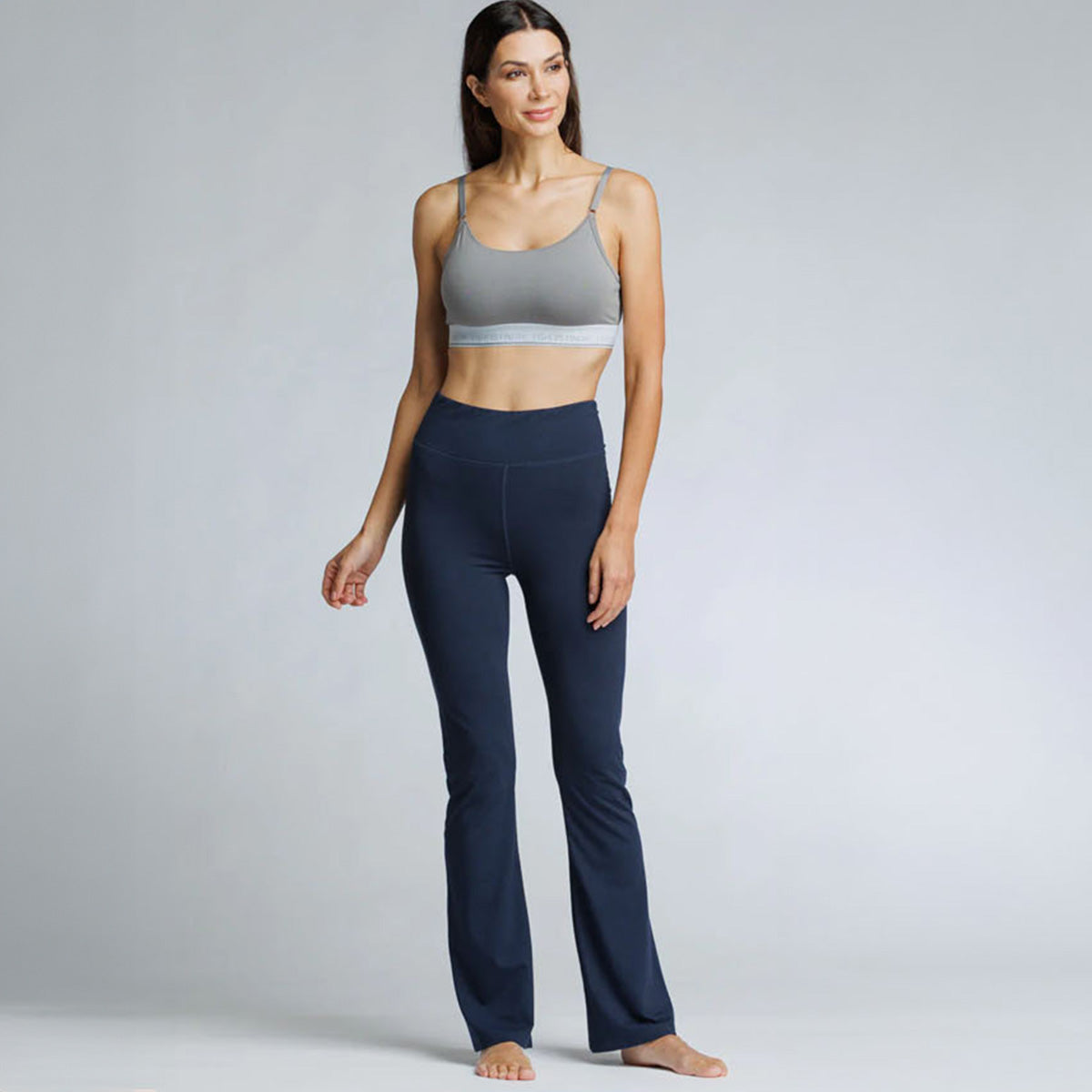

The wrong fabric can turn a carefully chosen pajama set, sheet set, or everyday top into a distraction. When skin is reactive, the small details are often the ones you feel most: a scratchy fiber, trapped warmth, a stiff seam, or residue left behind after washing. The best fabrics for sensitive skin tend to share a few qualities - a smooth surface, breathable construction, dependable softness, and thoughtful finishing.
There is no single fabric that suits every person or every concern. Skin that feels dry may prefer a different textile than skin prone to heat or friction. The goal is not to find a fabric with a sweeping promise. It is to choose materials and finishes that make sleep, lounge time, and getting dressed feel calmer against your skin.
Best Fabrics for Sensitive Skin: Start with Feel and Fiber
The most comfortable choice is usually a natural or regenerated fiber with a soft hand and a fabric construction that does not feel abrasive. Quality matters as much as the fiber name. A well-made fabric has a more even surface, a more comfortable drape, and better staying power through repeated wear and washing.
Mulberry silk for a smooth, low-friction feel
Mulberry silk is especially valued for its exceptionally smooth surface. Rather than catching or dragging against skin, quality silk glides gently, making it a beautiful choice for pillowcases, sleep masks, pajamas, and accessories that rest closely against the face or hair.
For sensitive skin, that reduced friction can feel particularly welcome during sleep, when your cheek may spend hours against the same pillowcase. Silk is also naturally breathable and helps create a polished, comfortable sleep environment without the bulky feel of heavier fabrics.
Silk does require considered care. Follow the garment or bedding label closely, use a gentle detergent, and avoid harsh bleach or overly aggressive washing. A quality silk piece is an investment in an everyday ritual, and proper care helps preserve its luminous softness.
Organic cotton for familiar, breathable comfort
Organic cotton is a dependable choice for people who want an easy, breathable fabric with a classic feel. It works beautifully in sheets, pillowcases, sleepwear, underwear, and relaxed everyday layers. Cotton absorbs moisture well and is easy to care for, which can be helpful when frequent laundering is part of your routine.
The word organic describes how the cotton is grown, not an automatic guarantee that every finished item will suit every sensitive-skin need. Still, organic cotton can be a thoughtful starting point for shoppers who prefer natural fibers and want to limit unnecessary agricultural inputs. Look beyond the label for a soft weave, comfortable seams, and clear care instructions.
For bedding, weave changes the experience. Percale feels crisp and cool, while sateen has a smoother, more fluid hand. If texture tends to bother you, a high-quality sateen or softly finished cotton knit may feel more inviting than a crisp, textured weave.
Modal for cool, fluid softness
Modal is known for a soft, smooth feel and fluid drape. It is often an appealing option for sleepwear, lounge pieces, and close-fitting layers when you want fabric that feels light and gentle rather than structured. Its breathability can also make it a comfortable choice for warm sleepers.
As with any regenerated fiber, the quality of the finished textile matters. Modal goes through a manufacturing process to become a wearable fiber, so material transparency and responsible production are worth considering alongside comfort. Choose pieces with a substantial yet airy feel rather than fabric that seems overly thin or likely to lose its shape quickly.
Why Construction Matters as Much as Fabric Choice
A sensitive-skin wardrobe is not solved by fiber content alone. Two garments made from the same material can feel completely different because of their knit, weave, dye, stitching, and finishing process.
Favor fabrics with a smooth face and minimal bulk at the seams. Flat or carefully finished seams are often more comfortable in sleepwear, leggings, and fitted tops. In bedding, look for a finish that feels soft right away without relying on a heavy coating that may wash away after a few cycles.
Color and print can matter, too. If your skin is particularly reactive, simpler pieces in lighter shades or fabrics made with carefully managed dyes may be a sensible place to begin. This is not a reason to avoid color altogether. It is simply a reminder that the full textile - not just the fiber - touches your skin.
Fabrics and Finishes to Approach with Care
This is where personal preference becomes especially important. Some people are comfortable in nearly any fabric, while others notice even slight roughness or heat buildup.
Coarse wool, heavily textured linen, and stiff denim can feel irritating when worn directly against sensitive skin. They can still have a place in a wardrobe as outer layers, provided there is a softer base layer underneath. Rough synthetic fabrics may also hold onto warmth and moisture, particularly in close-fitting activewear or sleepwear.
That does not mean all synthetics should be dismissed. Performance fabrics can be useful for exercise and travel, especially when they are smooth, lightweight, and designed to manage moisture. If you are sensitive to fabric, test how a piece feels after an active hour, not only in a fitting room. Heat, sweat, and repeated motion reveal much more than a first touch.
Be mindful of added fragrance, fabric softener, and harsh detergent. Sometimes the irritation blamed on a favorite sheet set or pajama fabric comes from laundry products or product finishes rather than the textile itself. A fragrance-free, gentle detergent and a thorough rinse are often worthwhile changes.
Build a More Comfortable Sleep and Lounge Routine
Start with the textiles that have the longest contact with your skin. A smooth silk pillowcase or soft organic cotton pillowcase can make a meaningful difference because it is part of your sleep routine every night. From there, consider breathable sheets and sleepwear that match your temperature needs.
For lounging and work-from-home days, choose layers that let your skin breathe and move with you. A soft modal top may feel ideal for warm evenings, while a smooth cotton tee shirt offers easy comfort for daily wear. Keep a note of which pieces feel best after several hours, after laundering, and during changes in temperature. Your own experience is the most useful measure.
If irritation is persistent, severe, or accompanied by a rash, it is wise to speak with a dermatologist. Fabric choices can support comfort, but they do not replace professional care for an ongoing skin concern.
The most luxurious fabric for sensitive skin is the one you stop noticing because it feels so naturally at ease. Choose softness with intention, care for it gently, and let your everyday essentials make room for more restful sleep and more comfortable moments at home.
